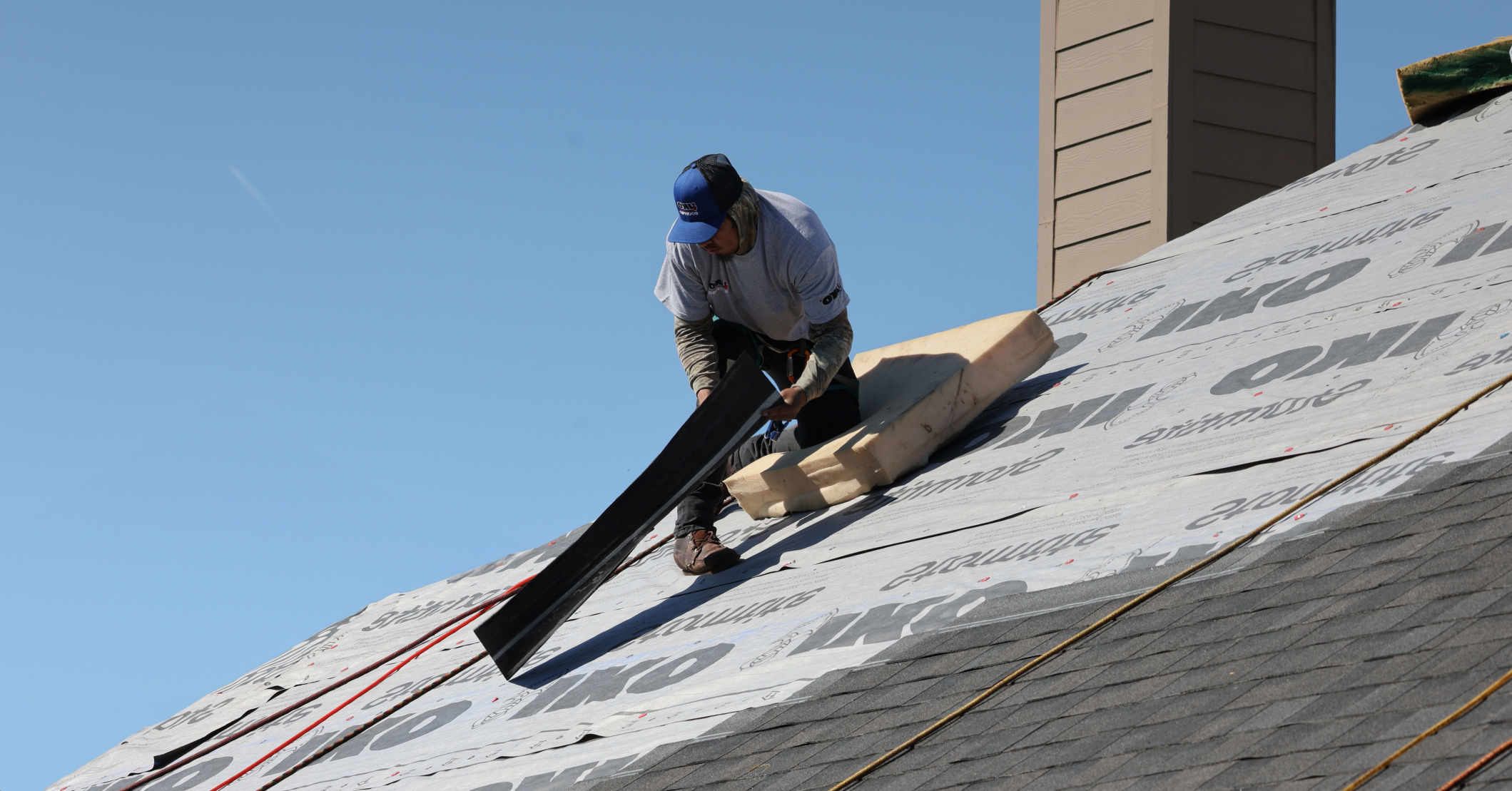
Completing a roofing project on time requires careful planning, effective communication, and skilled execution. A professional roofing contractor understands the importance of adhering to deadlines while maintaining quality standards. To deliver timely results, the contractor begins by conducting a thorough assessment of the project requirements. This initial evaluation helps identify potential challenges such as weather conditions, material availability, or structural complexities that could impact the schedule. By anticipating these factors early on, the contractor can develop a realistic timeline that accommodates possible delays.
Once the scope of work is clearly defined, securing materials promptly becomes crucial. Reliable contractors maintain strong relationships with suppliers to ensure necessary products arrive as scheduled. They often order materials in advance based on accurate measurements and project specifications to avoid last-minute shortages or substitutions. Timely procurement prevents downtime caused by waiting for essential components and keeps find the answers workflow steady throughout each phase of construction.
Organizing an experienced team is another key element in meeting deadlines. Roofing contractors assign tasks according to workers’ expertise and coordinate labor efficiently to maximize productivity without compromising safety or workmanship quality. Skilled crews familiar with similar projects can complete installations faster due to their knowledge of best practices and problem-solving abilities onsite. The contractor also monitors progress regularly through site inspections and status updates, making adjustments when needed to stay aligned with the planned timeline.
Effective communication plays a vital role in ensuring everyone involved remains informed about expectations and any changes during the project lifecycle. Contractors keep clients updated about milestones reached or unforeseen issues that might affect completion dates so that decisions can be made collaboratively if revisions are necessary. Clear dialogue among subcontractors, suppliers, and other stakeholders minimizes misunderstandings that could cause delays.
Weather conditions often pose significant risks for outdoor construction projects like roofing; therefore, seasoned contractors build flexibility into their schedules by factoring in potential interruptions from rain or windstorms. They may rearrange work sequences or accelerate certain tasks during favorable periods to compensate for lost time later on.
In addition to proactive management techniques, using modern tools such as project management software enhances organization by tracking resources, timelines, budgets, and communications all in one place. This technology enables quicker responses when issues arise and supports transparent reporting for clients seeking reassurance about progress.
Ultimately, delivering an on-time roofing project depends on meticulous preparation combined with adaptive execution throughout every stage-from initial inspection through final cleanup-ensuring client satisfaction without sacrificing craftsmanship excellence or safety standards under tight schedules.