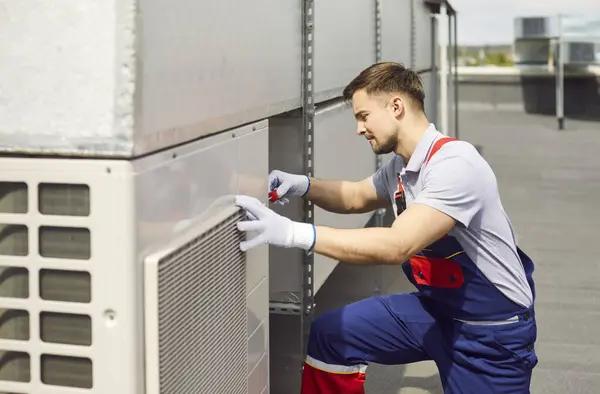
Static pressure testing is a crucial aspect of diagnosing and maintaining HVAC systems, ensuring they operate efficiently and effectively. Understanding the importance of static pressure in these systems can significantly impact their performance, energy consumption, and longevity.
Static pressure refers to the resistance to airflow within an HVAC system’s ductwork. It is akin to blood pressure in the human body; just as high or low blood pressure can indicate health issues, abnormal static pressures can signal problems within an HVAC system. Measuring static pressure provides insight into how well air moves through ducts, filters, coils, and other components.
One primary reason for conducting static pressure tests is to assess airflow efficiency. Proper airflow ensures that heating and cooling are distributed evenly throughout a building. If there are obstructions or leaks in the ductwork, it could lead to uneven temperatures across different areas. Inadequate airflow may also cause systems to work harder than necessary, increasing energy costs and reducing equipment lifespan.
Another critical aspect of static pressure testing is identifying potential issues before they become severe problems. For instance, excessive buildup of dust or debris on filters or coils can increase resistance against airflow. By regularly measuring static pressures, technicians can detect such buildups early on and perform necessary maintenance tasks like cleaning or replacing filters before they compromise system performance.
Moreover, understanding static pressures helps in sizing ductwork appropriately during installation or renovation projects. Incorrectly sized ducts can lead to increased noise levels due to turbulent airflow and higher operational costs because of inefficient energy use. Accurate measurements ensure that ducts are neither too large nor too small for the specific requirements of a building’s Bellevue HVAC Services system.
Furthermore, regular testing aids in verifying compliance with industry standards and regulations concerning indoor air quality (IAQ) and ventilation rates. Maintaining proper IAQ is essential for occupant comfort and health; hence adhering to recommended guidelines for ventilation becomes imperative.
Technicians equipped with knowledge about acceptable ranges for static pressures based on manufacturer specifications are better positioned to diagnose problems accurately without resorting immediately to costly replacements or repairs unnecessarily.
In conclusion, incorporating routine static pressure testing into HVAC diagnostics plays an indispensable role in optimizing system performance while prolonging its life expectancy by preemptively addressing potential issues related primarily but not exclusively towards poor design choices made initially at either installation phase itself if applicable otherwise later down line via improper maintenance practices followed thereafter leading ultimately towards eventual failure altogether thereby rendering entire setup ineffective overall unless corrected timely manner possible only through precise measurement techniques employed consistently over time period specified accordingly thus ensuring continued satisfaction derived from usage thereof consequently benefiting both users alike along way forward together collectively achieving desired outcomes mutually beneficial all parties involved therein overall context considered fully comprehensively indeed!