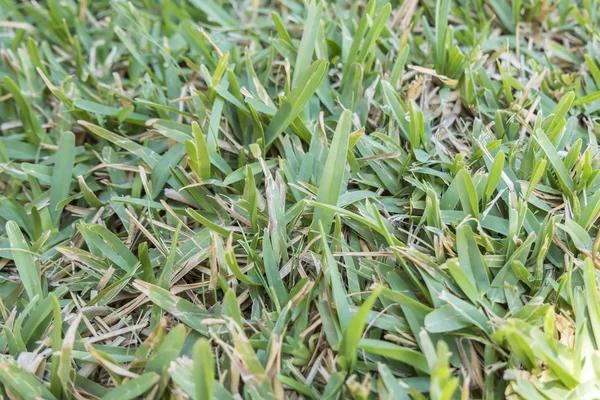
Grubs are the larvae of various beetle species that feed on grassroots, causing significant damage to lawns. Preventative grub control treatments are essential for maintaining a healthy and vibrant lawn, especially in areas prone to infestations. These treatments focus on stopping grubs before they establish themselves and begin feeding, which can save homeowners from costly repairs and extensive reseeding efforts later.
Timing is critical when applying preventative grub control products. The best period typically falls in late spring or early summer when adult beetles lay eggs in the soil. Applying treatment during this window targets young larvae before they cause noticeable harm. It is important to identify the specific type of beetle active in your region since different species have varying life cycles that influence the optimal timing for treatment.
Preventative Grub Control products often contain insecticides such as imidacloprid or chlorantraniliprole, which work by disrupting grub development without harming beneficial insects or pets when used correctly. These chemicals penetrate the soil and provide a protective barrier around grassroots for several weeks after application. Homeowners should carefully follow label instructions regarding dosage and watering schedules to maximize effectiveness while minimizing environmental impact.
In addition to chemical treatments, cultural practices play an important role in preventing grub infestations. Maintaining a dense, well-fertilized lawn makes it harder for grubs to thrive because strong grass can better withstand minor root damage. Proper irrigation helps keep roots healthy but avoiding overwatering reduces conditions favorable to egg-laying beetles. Aerating compacted soil improves drainage and encourages deeper root growth, further strengthening turf resilience against pests.
Natural remedies like beneficial nematodes offer an alternative approach by introducing microscopic organisms that specifically target grubs without harmful side effects on other wildlife or humans. These nematodes enter grub bodies and release bacteria that kill them within days. Though more sensitive to environmental conditions than chemical options, nematodes can be effective if applied under suitable temperature and moisture levels.
Regular monitoring is vital even with preventative measures in place; inspecting your lawn periodically for signs of grub activity enables early intervention if needed. Indicators include irregular brown patches that lift easily due to weakened roots or increased presence of animals such as birds digging into the turf searching for larvae.
Combining timely chemical applications with sound lawn care practices creates a comprehensive strategy against grubs, ensuring protection throughout their vulnerable stages while promoting overall turf health. By adopting preventative treatments tailored to local pest patterns and environmental factors, homeowners can enjoy lush green lawns free from the destructive effects of these common pests year after year.