Category: Product

  • Mini Split AC Care Tips to Extend System Life

    Mini Split AC Care Tips to Extend System Life

    Maintaining a mini split air conditioning system is essential for ensuring its efficiency and longevity. Regular care not only helps the unit perform optimally but also prevents costly repairs and extends its overall lifespan. One of the most important aspects of mini split AC maintenance is keeping the filters clean. Filters capture dust, pollen, and other particles that can clog the system if left unattended. Cleaning or replacing these filters every few weeks during heavy use allows proper airflow, reducing strain on the compressor and improving indoor air quality.

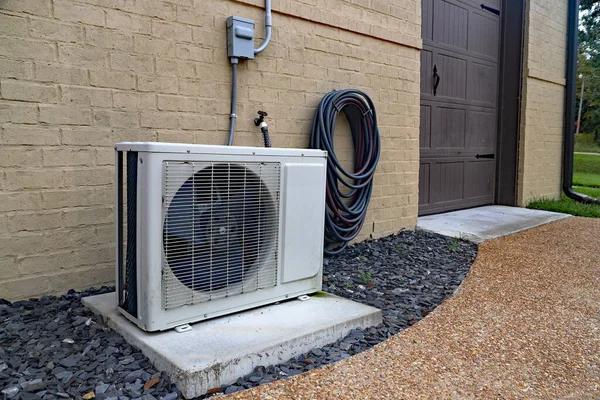
    In addition to filter maintenance, it is crucial to keep both indoor and outdoor units free from debris. The outdoor condenser unit should be checked regularly for leaves, dirt, or any obstructions that might block airflow. Clearing away vegetation around this unit ensures it can dissipate heat efficiently. Similarly, wiping down the indoor air handler with a soft cloth removes dust buildup on vents and coils, which helps maintain consistent cooling performance.

    Another key factor in preserving a Mini Split AC‘s functionality is monitoring refrigerant levels. Low refrigerant can cause poor cooling results and damage internal components due to increased pressure within the system. If you notice your unit struggling to cool effectively or hear unusual noises during operation, contacting a professional technician to inspect refrigerant levels is advisable.

    Proper usage habits also contribute significantly to extending your mini split’s life. Avoid setting extreme temperature differences between indoors and outdoors as this forces the system to work harder than necessary. Using programmable thermostats or timers allows better control over when the AC operates, minimizing unnecessary wear while maintaining comfort.

    Routine inspections by qualified HVAC professionals are recommended at least once a year to ensure all parts are functioning correctly and identify potential issues early on. These checkups typically include cleaning coils thoroughly, checking electrical connections for safety concerns, lubricating moving parts if needed, and verifying that drainage lines are clear of clogs that could lead to water damage inside your home.

    Lastly, protecting your mini split from power surges using surge protectors can prevent electronic component failures caused by sudden voltage spikes common in many areas. Ensuring stable power supply safeguards sensitive controls within both indoor and outdoor units.

    By following these care tips-regular cleaning of filters and units, monitoring refrigerant levels closely with expert help when necessary, practicing mindful temperature settings along with scheduled professional inspections-you will maximize your mini split air conditioner’s efficiency while extending its service life considerably. Proper attention today means reliable cooling comfort tomorrow without unexpected breakdowns or premature replacements disrupting daily routines or budgets alike.


  • Why fiddle rosin matters for better sound quality

    Why fiddle rosin matters for better sound quality

    Fiddle rosin plays a crucial role in achieving better sound quality for violinists and other string instrument players. It is a solid form of resin that, when applied to the bow hair, creates the necessary friction between the bow and strings. Without rosin, the bow would simply slide over the strings without producing any meaningful sound. This friction enables the strings to vibrate properly, which directly influences tone production and overall performance.

    The quality of rosin significantly affects how well a player can control their instrument’s sound. Different types of rosin vary in hardness, texture, and composition, each offering distinct characteristics suited to various playing styles and environments. Softer rosins tend to grip the strings more easily, allowing for quicker response and warmer tones but may produce more dust or buildup on both bow hair and strings. Harder rosins provide a cleaner feel with less residue but require more effort from the player to generate sufficient friction. Selecting an appropriate rosin tailored to one’s needs enhances tonal clarity and dynamic range while reducing unwanted noise such as scratching or squeaking.

    Rosin also impacts articulation-the ability to clearly express different musical nuances through changes in bow pressure and speed. When applied correctly, it helps maintain consistent contact between bow hair and string fibers during play, resulting in smoother transitions between notes as well as sharper attacks when desired. Poorly chosen or improperly used rosin can cause uneven grip leading to inconsistent sound production or difficulty controlling dynamics effectively.

    Environmental conditions further influence how fiddle rosin performs throughout practice sessions or performances. Humidity levels affect its stickiness; high moisture can make some rosins sticky or overly soft while dry air may harden them excessively causing reduced adhesion on bow hairs. Musicians often adjust their choice depending on seasonal climate changes or venue conditions to optimize sound output consistently.

    Beyond technical benefits, using good-quality fiddle rosin contributes positively toward preserving both bows and instruments by minimizing wear caused by excessive slipping or harsh contact forces during play. Applying too much rosin might lead to buildup that deteriorates string surfaces over time whereas insufficient application results in poor tonal response requiring increased physical effort from players which could accelerate fatigue.

    In summary, fiddle rosin matters greatly for better sound quality because it facilitates proper interaction between bow hair and strings essential for clear tone production, precise articulation, dynamic control, environmental adaptability, and equipment longevity. Investing time into selecting suitable rosin according to individual preferences ensures musicians achieve optimal performance outcomes with enhanced musical expression on their instruments.

  • How HVAC contractors in Passaic help improve energy efficiency

    How HVAC contractors in Passaic help improve energy efficiency

    HVAC contractors in Passaic play a crucial role in enhancing energy efficiency for both residential and commercial properties. Their expertise extends beyond simple installation or repair of heating, ventilation, and air conditioning systems; they provide comprehensive solutions that reduce energy consumption while maintaining comfort. One of the primary ways these professionals improve energy efficiency is through the proper sizing and installation of HVAC equipment. An incorrectly sized system can lead to excessive energy use because it either works too hard or cycles on and off frequently. Skilled contractors assess the specific needs of a building by considering factors such as square footage, insulation quality, window placement, and occupancy patterns to recommend systems that operate optimally without wasting energy.

    In addition to selecting appropriate equipment, HVAC experts ensure that systems are installed with precision. Proper installation minimizes leaks in ductwork and refrigerant lines, which are common sources of inefficiency. Leaky ducts force heating or cooling units to compensate for lost conditioned air, increasing utility bills unnecessarily. Contractors also inspect existing ductwork for damage or poor connections during maintenance visits and make necessary repairs or upgrades to prevent air loss.

    Routine maintenance provided by HVAC contractors significantly contributes to sustained energy savings over time. Regular cleaning of filters prevents dust buildup that can restrict airflow, causing systems to work harder than needed. Technicians check refrigerant levels and mechanical components like motors and fans to ensure everything operates smoothly. When parts wear out or become outdated, replacing them promptly helps maintain peak performance rather than allowing inefficiencies to develop gradually.

    Another important aspect involves advising clients on modern technologies designed specifically for improving efficiency. Many HVAC contractors in Passaic are knowledgeable about programmable thermostats and smart home integrations that allow users better control over temperature settings based on daily schedules or real-time occupancy data. These devices optimize system operation by reducing unnecessary heating or cooling when spaces are unoccupied.

    Furthermore, contractors often recommend upgrading older units with high-efficiency models certified by ENERGY STAR standards. Newer systems consume less electricity due to advanced compressors, improved heat exchangers, variable speed motors, and enhanced refrigerants with lower environmental impact.

    By combining accurate assessments with skilled installations, diligent maintenance practices, technology integration advice, and equipment upgrades tailored for local climate conditions in Passaic’s region, HVAC professionals effectively help property owners lower their carbon footprint while enjoying comfortable indoor environments year-round. Their contributions not only reduce monthly expenses but also support broader sustainability goals within communities seeking responsible resource management amid growing environmental concerns worldwide.